The recent scientific study challenging traditional notions of beauty by suggesting a 43-year-old model possesses the ‘ideal figure’ is a fascinating exploration into the ever-evolving landscape of beauty standards. This groundbreaking research, conducted by Texas University, has sparked significant discussion and contemplation regarding society’s perceptions of beauty and attractiveness. By identifying specific measurements that align closely with the physique of British model Kelly Brook, the study offers a refreshing departure from the previously dominant emphasis on extremely slim figures in the fashion industry.
What distinguishes this study is its recognition of the subjective and multifaceted nature of beauty. While it proposes an ‘ideal’ body based on scientific data, it does not dismiss or invalidate other body types. Instead, it underscores the importance of acknowledging and celebrating diversity in physical appearance. By challenging the entrenched notion that thinness equates to beauty, the study prompts a reevaluation of societal beauty standards and encourages a more inclusive perspective.

In recent years, there has been a notable shift in the fashion industry towards embracing fuller, curvier body types. This trend reflects a broader cultural movement towards inclusivity and acceptance of diverse beauty ideals. Models like Ashley Graham have played a pivotal role in challenging conventional norms and advocating for greater representation of various body shapes and sizes. The increasing visibility of plus-size models in fashion campaigns and runway shows signals a progressive shift towards celebrating individuality and rejecting narrow beauty standards.
Beyond the realm of fashion, the study’s findings have profound implications for how beauty is perceived and valued in society. By highlighting the complexity of attractiveness and the diverse factors that contribute to it, the study encourages a more nuanced understanding of beauty. It prompts us to question the arbitrary standards imposed by media and popular culture and instead embrace a broader spectrum of beauty ideals.
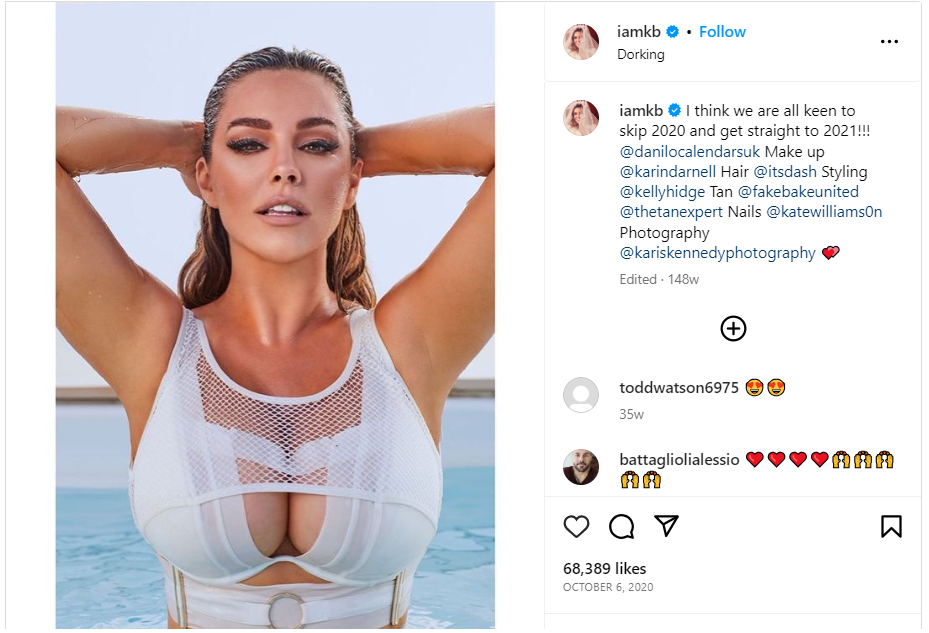
Moreover, the study’s emphasis on inclusivity resonates with the growing demand for representation and visibility of marginalized groups in mainstream media. By acknowledging and celebrating beauty in all its forms, the study reinforces the importance of inclusivity and representation in shaping societal norms and perceptions. It challenges the notion that beauty is exclusive to a select few and underscores the inherent beauty present in every individual.

As conversations surrounding beauty norms continue to evolve, it becomes increasingly evident that there is no one-size-fits-all definition of beauty. Beauty is subjective, diverse, and deeply personal, transcending rigid standards and embracing individuality. The study serves as a catalyst for reflection and dialogue, prompting us to reevaluate our perceptions of beauty and celebrate the inherent beauty present in all individuals, regardless of their appearance.
In conclusion, the recent scientific study challenging traditional beauty norms offers valuable insights into the dynamic and evolving nature of attractiveness. By recognizing the complexity and diversity of beauty, the study encourages us to embrace inclusivity and celebrate individuality. As society continues to progress towards a more inclusive and accepting future, it is essential to foster a culture that values and celebrates the inherent beauty present in every individual.


0 Comments